

Dental Fillings in Seoul: Composite, Glass Ionomer and Inlays
Small cavities, chipped edges and old fillings can usually be repaired in one visit with tooth-coloured materials. Larger cavities may need a ceramic inlay or crown instead.
- Since 2002
- 13 dentists
- In-house lab
- EN · 中文 · 日本語
Which type of dental filling is best for me?
It depends on the cavity's size and position. Small to medium cavities are usually filled with tooth-coloured composite resin in one visit. Glass ionomer suits areas near the gumline and children's teeth. Large cavities on back teeth often last longer as a ceramic inlay or onlay. At Gangnam One Day Dental Clinic, the dentist recommends a material after examining the tooth and X-rays.
Reviewed by Dr. Kim Jin-hwan , Chief Director · Updated October 5, 2026
Filling materials compared
Composite resin is a tooth-coloured material bonded to the tooth and hardened with a curing light. It is the most common choice for small and medium cavities on front and back teeth.
Glass ionomer releases fluoride and bonds well in moist areas, so it is often used near the gumline, on root surfaces and in children's teeth. It is less wear-resistant than composite.
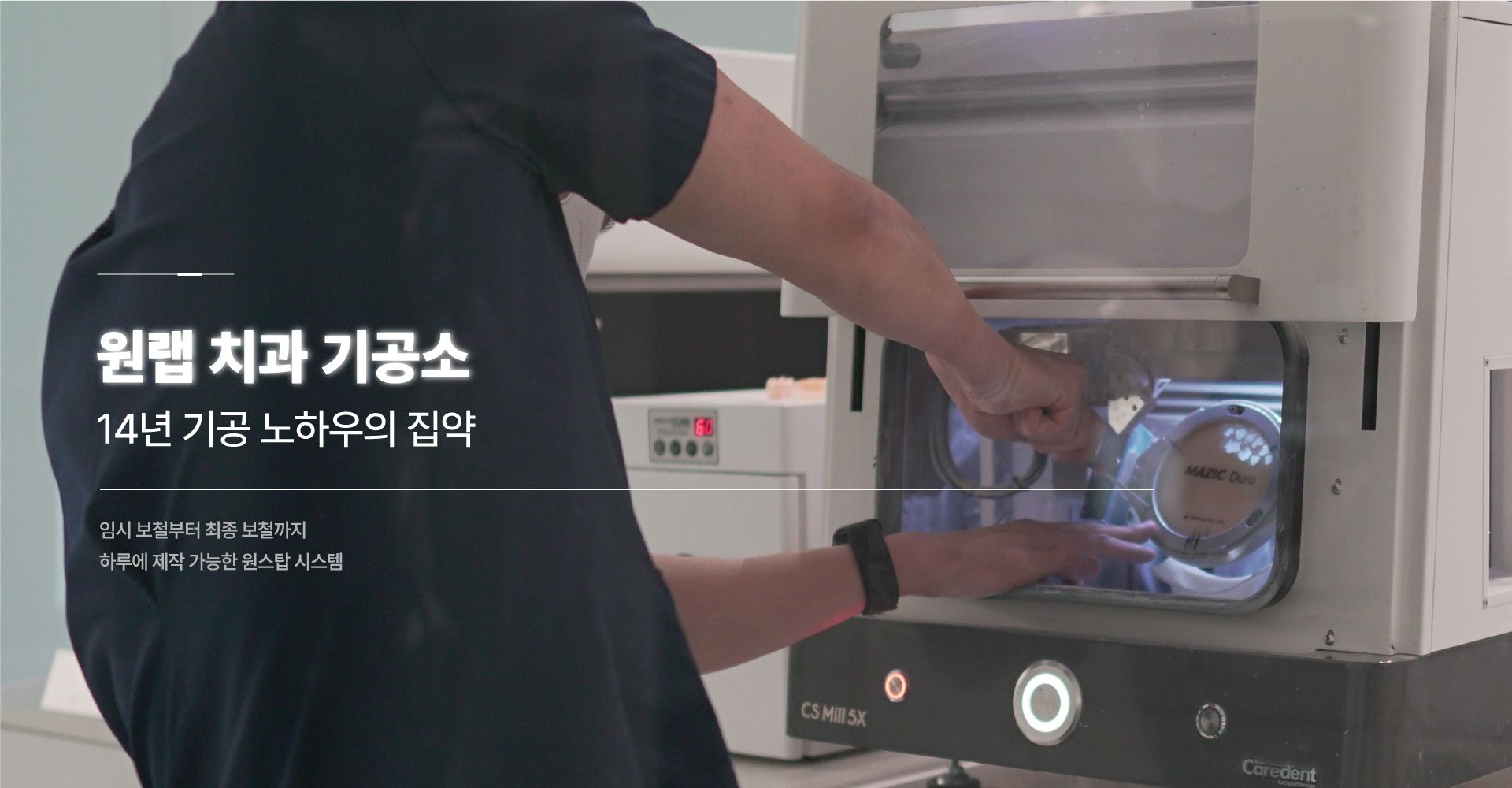
When a cavity is too large for a direct filling, a ceramic inlay or onlay is designed with CAD/CAM and milled in the clinic's in-house Oneday Lab, then bonded in place. A heavily broken tooth may need a crown.
Signs you may need a filling
Early cavities often cause no pain, which is why X-rays at check-ups matter. By the time a tooth hurts, decay is usually close to the nerve. If pain is constant or wakes you at night, the tooth may need a root canal rather than a filling.
- Sensitivity to sweet, hot or cold
- Food catching between two teeth
- A dark spot, hole or rough edge
- A chipped tooth or lost filling
- An old filling with dark margins or cracks
Not sure if this is right for you? Send a photo or X-ray — a dentist replies on WhatsApp in English, Chinese or Japanese.
Get a free opinionReplacing old amalgam fillings
Many patients have old silver amalgam fillings. If they are intact and the tooth is healthy, there is usually no need to replace them. Replacement is recommended when the filling is cracked, leaking or has decay underneath, or when you want a tooth-coloured result.
The dentist checks each old filling on X-rays and replaces only what needs replacing. Large old fillings are often better replaced with an inlay than with a new, even larger direct filling. For sensitivity after old fillings, see sensitive teeth.
| Composite resin | Glass ionomer | Ceramic inlay | |
|---|---|---|---|
| Colour | Tooth-coloured | Tooth-coloured, less translucent | Tooth-coloured |
| Best for | Small–medium cavities | Gumline, roots, children | Large cavities on back teeth |
| Visits | 1 | 1 | Usually 1–2 |
| Strength | Good | Moderate | High |
| Typical lifespan | 5–10 years | Shorter than composite | Often 10+ years |
| Releases fluoride | No | Yes | No |
How it works at Oneday Dental
- Before
Send photos or X-rays
Share photos of the tooth or recent X-rays on WhatsApp. The team can tell you whether a filling or a larger restoration is likely.
- Start
Examination and X-ray
The dentist checks the tooth and takes digital X-rays to see how deep the decay goes.
- 10–30 min
Decay removal
The tooth is numbed if needed, and decay or the old filling is removed while keeping as much healthy tooth as possible.
- 10–30 min
Filling and shaping
Composite or glass ionomer is placed in layers, hardened and shaped to match your tooth.
- End
Bite check and polish
The bite is checked and adjusted so the filling does not sit high, then polished smooth.
Things to know before you decide
- Teeth can be sensitive to cold or biting for a few days to weeks, especially after deep fillings.
- A very deep cavity may reach the nerve, in which case root canal treatment may be needed.
- Composite can stain or wear over time and may need replacing after several years.
- Large fillings weaken a tooth; an inlay, onlay or crown is often more durable for big cavities.
Experience you can check
- 2002Founded in Gangnam — 24 years
- 13Dentists in 5 departments
- 3Clinic buildings, 1,570 m²
- 0.01 mmT-Scan bite-force detail
Vice President, Korean Academy of Stomatognathic Function & Occlusion · author on T-Scan implant occlusion (IGI Global)
Dental Fillings: common questions
Does getting a filling hurt?
Can I eat after a filling?
How long does a composite filling last?
Why is my tooth sensitive after a filling?
What is the difference between a filling and an inlay?
How much does a dental filling cost?
You may also want to read
Root Canal Treatment
Root canal treatment in Seoul: save an infected tooth in 2–3 visits, then a crown from our in-house lab in Gangnam.
Learn more →Dental Crowns
Dental crowns in Gangnam, Seoul: zirconia and all-ceramic crowns milled in our in-house lab, often in one day.
Learn more →Family & General Dentistry
Family dentist in Seoul: check-ups, fillings, root canals, children's care and emergencies in Gangnam.
Learn more →Sensitive Teeth
Sensitive teeth treatment in Seoul: find the cause first, from gum recession to grinding, then fluoride, bonding…
Learn more →Children's Dentistry
Pediatric dentistry in Seoul: check-ups, fluoride, sealants, cavity care and early orthodontic checks for children…
Learn more →Composite Bonding
Composite bonding in Seoul for chips, small gaps and uneven edges, usually in one visit with little or no drilling.
Learn more →Browse: Dental Implants · Cosmetic Dentistry · Orthodontics · Gum Care · General Dentistry · International Patients · Home
Get a dentist's opinion on WhatsApp
Send your question, photos or X-ray. We reply with a plan, timeline and estimate in English, Chinese, Japanese or Korean.