
Sleep Apnea Oral Appliance in Seoul
A custom mandibular advancement device holds the lower jaw slightly forward during sleep to help keep the airway open. An option for snoring and mild to moderate obstructive sleep apnea.
- Since 2002
- 13 dentists
- In-house lab
- EN · 中文 · 日本語
Can a dentist treat sleep apnea?
A dentist can treat snoring and mild to moderate obstructive sleep apnea with a custom oral appliance called a mandibular advancement device, which holds the lower jaw slightly forward to keep the airway open. At Gangnam One Day Dental Clinic the device is made from a scan of your teeth and adjusted over follow-up visits. Sleep apnea itself should be diagnosed with a sleep study.
Reviewed by Dr. Kim Jin-hwan , Chief Director · Updated October 5, 2026
How an oral appliance helps
In obstructive sleep apnea (OSA), the soft tissues of the throat relax and narrow or block the airway during sleep, causing snoring, breathing pauses and repeated micro-awakenings. A mandibular advancement device fits over the upper and lower teeth like two connected guards and holds the lower jaw a few millimetres forward. This pulls the tongue base forward and helps keep the airway open.
The advancement is set conservatively at first and increased gradually over follow-up visits, balancing airway benefit against jaw comfort.
- Loud, habitual snoring
- Diagnosed mild to moderate OSA
- Difficulty tolerating CPAP
- Frequent travel where CPAP is impractical
Diagnosis comes first
Snoring alone does not tell you whether you have sleep apnea. Because OSA affects blood pressure, heart health and daytime alertness, it should be diagnosed with a sleep study by a sleep physician. Severe OSA is usually treated with CPAP first; an oral appliance may be an alternative or addition if CPAP is not tolerated.
The dentist's role is to check that your teeth, gums and jaw joints can support an appliance, make it accurately and adjust it. If you already have a sleep study report, send it with your WhatsApp inquiry.
Not sure if this is right for you? Send a photo or X-ray — a dentist replies on WhatsApp in English, Chinese or Japanese.
Get a free opinionProtecting teeth and jaw joints
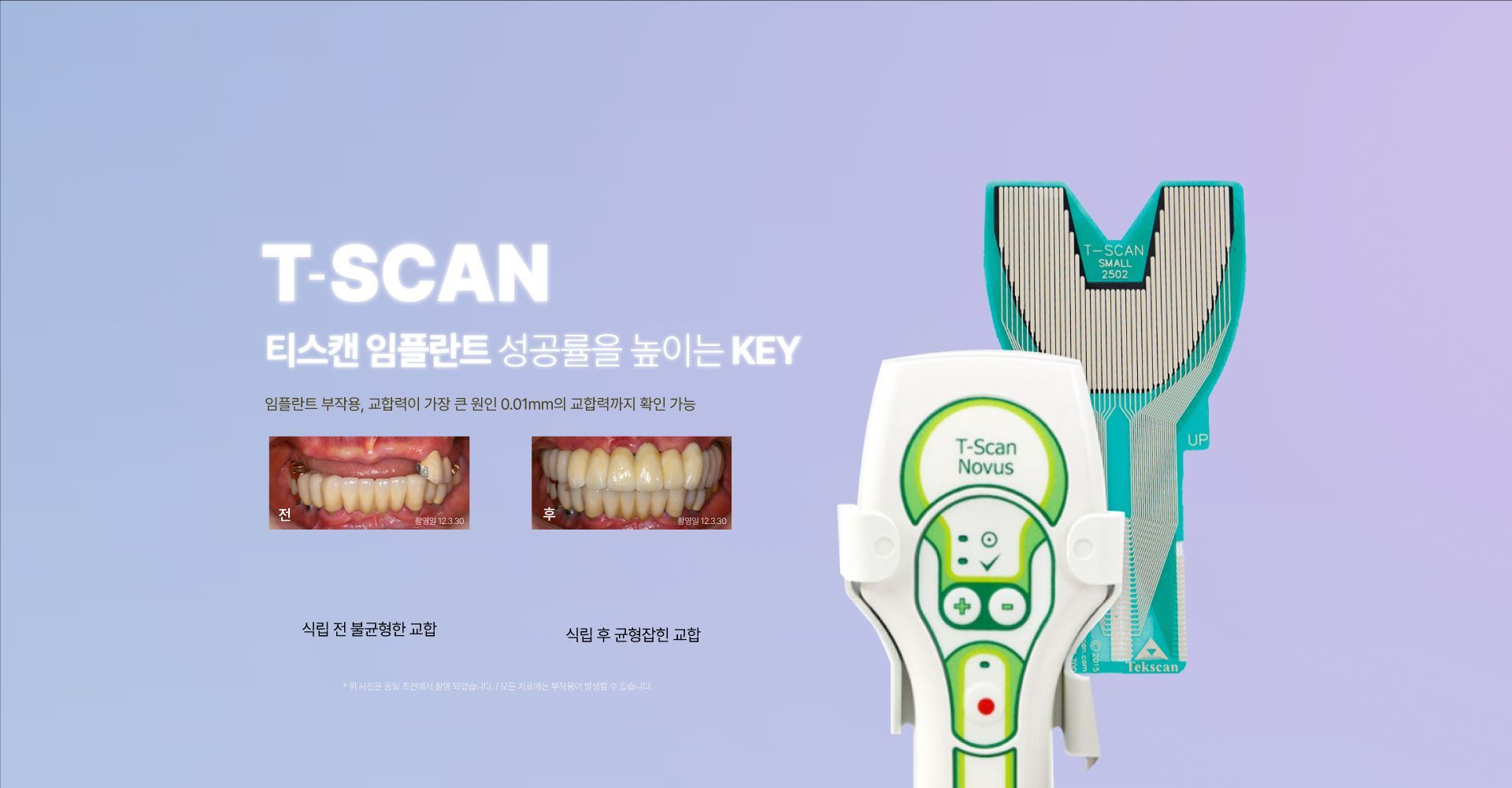
Because the appliance holds the jaw forward for hours each night, the jaw joints and bite need to be checked before and during treatment. Chief Director Dr. Kim Jin-hwan's work in occlusion and TMJ, and the clinic's T-Scan Novus bite analysis, are used to record the bite before treatment and monitor changes.
Many people with sleep apnea also clench or grind. See teeth grinding treatment and custom mouth guards; a standard night guard is not the same as a sleep appliance and may not be suitable if you have OSA.
| Oral appliance (MAD) | CPAP | |
|---|---|---|
| Typical use | Snoring; mild–moderate OSA | Moderate–severe OSA |
| How it works | Holds lower jaw forward | Air pressure keeps airway open |
| Comfort and travel | Small, silent, no power | Mask and machine; needs power |
| Common side effects | Jaw stiffness, bite changes | Mask discomfort, dryness |
| Follow-up | Dentist adjusts; repeat sleep test advised | Sleep physician monitors |
How it works at Oneday Dental
- Before visit
Send your history
Share any sleep study report and describe snoring, pauses or daytime sleepiness on WhatsApp.
- Visit 1
Exam and records
Teeth, gums, jaw joints and bite are checked, and a scan of both arches is taken.
- Visit 2
Fitting
The appliance is fitted at a conservative starting position and you learn how to wear and clean it.
- 2–8 weeks
Gradual adjustment
The jaw position is advanced in small steps based on symptoms and comfort.
- After adjustment
Effect check
A follow-up sleep test is advised to confirm improvement; bite and joints are reviewed regularly.
Things to know before you decide
- An oral appliance is generally not the first choice for severe sleep apnea; CPAP is usually recommended first.
- Jaw stiffness, tooth tenderness and excess saliva are common early and usually settle within weeks.
- Long-term wear can gradually change the bite; regular dental reviews are needed.
- People with few teeth, active gum disease or significant TMJ problems may not be suitable.
- Reduced snoring does not prove the apnea is controlled; a follow-up sleep test is advised.
Experience you can check
- 2002Founded in Gangnam — 24 years
- 13Dentists in 5 departments
- 3Clinic buildings, 1,570 m²
- 0.01 mmT-Scan bite-force detail
Vice President, Korean Academy of Stomatognathic Function & Occlusion · author on T-Scan implant occlusion (IGI Global)
Snoring & Sleep Apnea: common questions
Does a mandibular advancement device stop snoring?
Do I need a sleep study before getting an oral appliance?
How much does a sleep apnea oral appliance cost in Seoul?
Will the appliance change my bite?
Can I use my night guard for sleep apnea?
You may also want to read
Teeth Grinding & TMJ
Teeth grinding treatment in Seoul: T-Scan bite analysis, TMJ assessment and custom night guards led by an occlusion…
Learn more →Custom Mouth Guards
Custom mouth guards in Seoul: night guards for grinding and sports guards, made from a digital scan and bite-balanced…
Learn more →Family & General Dentistry
Family dentist in Seoul: check-ups, fillings, root canals, children's care and emergencies in Gangnam.
Learn more →International Patients
Dentist for international patients in Seoul: send your X-ray on WhatsApp, get a plan before you fly, and finish…
Learn more →Browse: Dental Implants · Cosmetic Dentistry · Orthodontics · Gum Care · General Dentistry · International Patients · Home
Get a dentist's opinion on WhatsApp
Send your question, photos or X-ray. We reply with a plan, timeline and estimate in English, Chinese, Japanese or Korean.