
Laser Gum Treatment in Seoul
A water-drop laser can help disinfect inflamed gum pockets and remove diseased tissue with minimal cutting. Here is what it does, what it does not do, and who is a candidate.
- Since 2002
- 13 dentists
- In-house lab
- EN · 中文 · 日本語
What is laser gum treatment?
Laser gum treatment uses a dental laser to remove inflamed tissue and reduce bacteria inside gum pockets, usually alongside conventional deep cleaning. Gangnam One Day Dental Clinic uses a water-drop (Waterlase-type) laser, which combines laser energy with a water spray. It is typically suited to mild to moderate periodontitis and persistent localised inflammation, not as a replacement for removing tartar.
Reviewed by Dr. Kim Jin-hwan , Chief Director · Updated October 5, 2026
How a water-drop laser works on the gums
A water-drop laser energises a fine water spray to cut and remove soft tissue, while the water keeps the area cool. In gum treatment it is used to remove the inflamed lining of a pocket and reduce bacterial load after the root surface has been cleaned.
The laser does not replace mechanical cleaning. Tartar on the root still has to be removed with instruments during periodontal deep cleaning. The laser is an addition that can help the gum reattach and settle in selected sites.
When the dentist may suggest laser-assisted care
Laser use is decided per site after pocket measurements and X-rays. It is most useful where inflammation persists after cleaning, or where a minimally invasive option is preferred over flap surgery.
The same type of laser can also be used for minor gum reshaping, which is covered on our gum contouring page.
- Persistent bleeding or swelling after a standard cleaning
- Moderate pockets, typically 4–6 mm
- Localised inflammation around one or a few teeth
- Recurring gum problems in maintenance patients
- Patients who want to avoid or postpone flap surgery where appropriate
Not sure if this is right for you? Send a photo or X-ray — a dentist replies on WhatsApp in English, Chinese or Japanese.
Get a free opinionRealistic expectations
Laser-assisted therapy is one tool, not a cure. Results depend on removing tartar thoroughly, your daily cleaning and regular maintenance. Pockets are re-measured about 4–8 weeks after treatment to see how the gums have responded.
A laser cannot rebuild lost bone or cover exposed roots. Those problems need different treatment, such as grafting for gum recession or regenerative surgery for bone defects.
| Scaling and root planing | Laser-assisted therapy | |
|---|---|---|
| Removes tartar from roots | Yes | Yes (instruments still used) |
| Removes inflamed pocket lining | Partly | Yes, more targeted |
| Bleeding during treatment | Some | Usually less |
| Visits | Usually 2–4 | Usually 2–4, laser added at selected sites |
| Re-check | 4–8 weeks | 4–8 weeks |
| Rebuilds bone | No | No |
How it works at Oneday Dental
- Before you travel
Share X-rays and symptoms
Send recent X-rays and gum photos on WhatsApp so the team can see whether laser-assisted care is relevant.
- Visit 1
Pocket charting and imaging
Every pocket is measured and bleeding sites recorded. X-rays show bone levels and help decide which sites benefit from the laser.
- Visits 2–4
Cleaning plus laser
Roots are cleaned with instruments under local anaesthetic, then the water-drop laser treats the inflamed pocket lining at selected sites.
- First week
Home care
Gums are usually tender for 1–3 days. Soft brushing and any prescribed rinse support healing.
- 4–8 weeks later
Re-evaluation
Pockets are re-measured and a maintenance interval of usually 3–6 months is set.
Things to know before you decide
- Laser treatment does not remove tartar on its own; it must be combined with thorough root cleaning.
- It cannot regrow lost bone or gum tissue.
- Very deep pockets, typically 7 mm or more, or bone defects may still need surgery.
- Gums may shrink slightly as inflammation resolves, making teeth look a little longer.
- Results relapse without good home care and regular maintenance.
Experience you can check
- 2002Founded in Gangnam — 24 years
- 13Dentists in 5 departments
- 3Clinic buildings, 1,570 m²
- 0.01 mmT-Scan bite-force detail
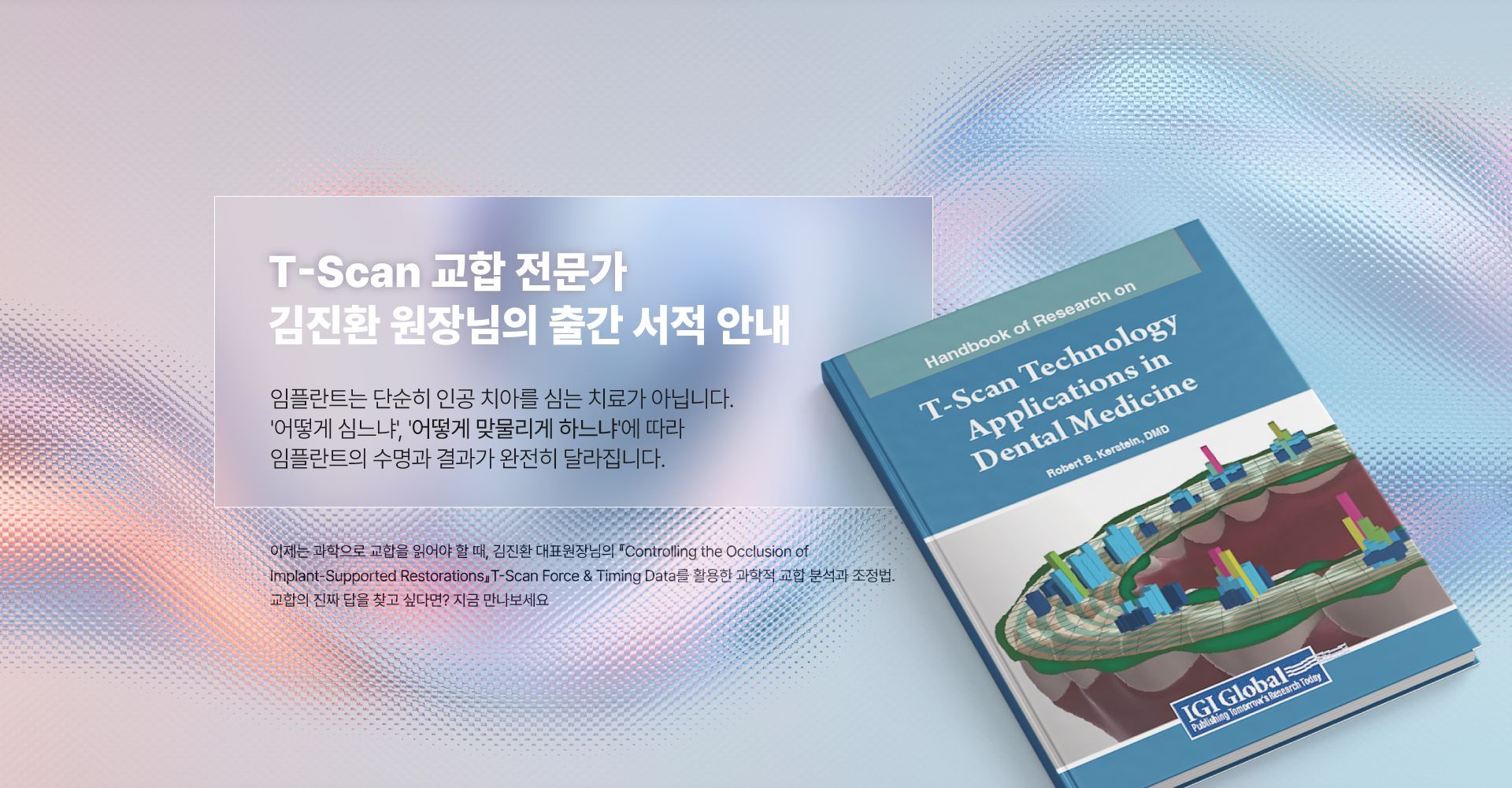
Vice President, Korean Academy of Stomatognathic Function & Occlusion · author on T-Scan implant occlusion (IGI Global)
Laser Gum Treatment: common questions
Is laser gum treatment painless?
Is laser gum treatment better than deep cleaning?
What kind of laser do you use?
How many sessions will I need?
Can laser treatment save a loose tooth?
How much does laser gum treatment cost?
You may also want to read
Periodontics & Gum Care
Periodontics in Seoul: gum disease diagnosis, scaling and root planing, laser and recession care by two periodontists…
Learn more →Gum Recession
Gum recession treatment in Seoul: find the cause, then desensitising, bonding or gum grafting by our periodontics…
Learn more →Dental Cleaning
Dental cleaning in Seoul: scaling, polishing and gum check in one visit in Gangnam, with English, Chinese…
Learn more →Gum Contouring
Gum contouring in Seoul to even an uneven gumline or lengthen short-looking teeth.
Learn more →Sensitive Teeth
Sensitive teeth treatment in Seoul: find the cause first, from gum recession to grinding, then fluoride, bonding…
Learn more →Browse: Dental Implants · Cosmetic Dentistry · Orthodontics · Gum Care · General Dentistry · International Patients · Home
Get a dentist's opinion on WhatsApp
Send your question, photos or X-ray. We reply with a plan, timeline and estimate in English, Chinese, Japanese or Korean.