
Full Mouth Reconstruction in Seoul
For worn, broken, missing or failing teeth across the whole mouth. Surgeons, periodontists and prosthodontists plan one coordinated treatment, with the bite measured and balanced digitally.
- Since 2002
- 13 dentists
- In-house lab
- EN · 中文 · 日本語
What is full mouth reconstruction, and how is it different from All-on-4?
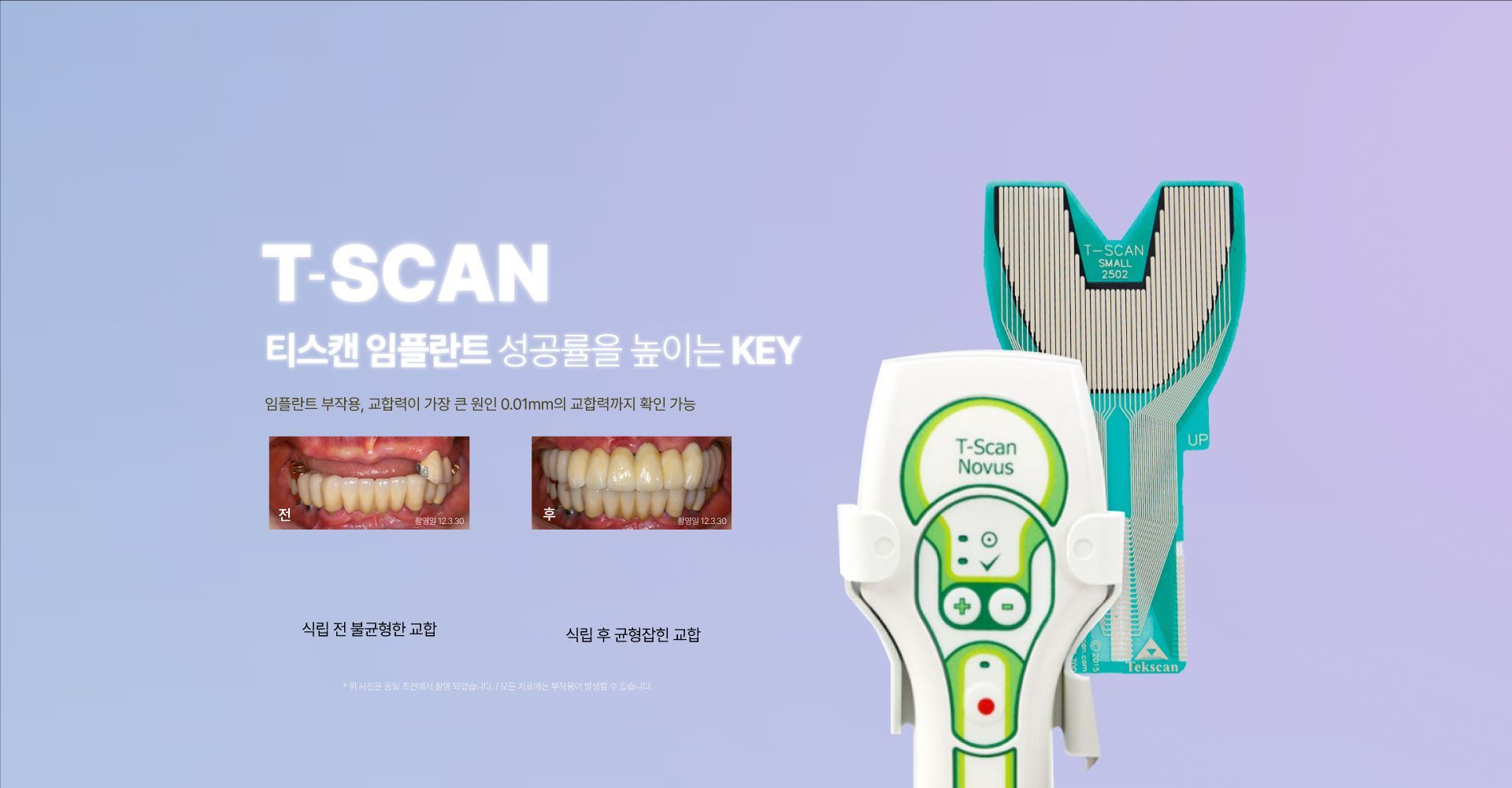
Full mouth reconstruction rebuilds every tooth in both jaws using a mix of crowns, implants, bridges and gum treatment, keeping healthy teeth where possible. All-on-4 replaces a whole arch on four implants. At Gangnam One Day Dental Clinic, reconstruction is planned across departments and the new bite is balanced with T-Scan Novus. Treatment typically takes 3 to 9 months.
Reviewed by Dr. Kim Jin-hwan , Chief Director · Updated October 5, 2026
When the whole mouth needs a plan
Full mouth reconstruction is for people whose problems affect many teeth at once: severe wear from grinding or acid, multiple broken or failing teeth, several missing teeth, old crowns that no longer fit, or a collapsed bite. Treating one tooth at a time in these cases often leads to repeated failures.
The aim is to save what can be saved. Healthy roots may get crowns, missing teeth get implants or bridges, and gum disease is treated first. If no teeth in an arch can be kept, a fixed full arch such as All-on-4 becomes part of the plan.
- Severely worn or short teeth from grinding (bruxism)
- Many teeth with large fillings, cracks or failing crowns
- A mix of missing teeth and weak teeth
- Jaw pain or a bite that feels wrong after previous dental work
Bite first: why occlusion drives the plan
When all teeth are restored, the dentist decides where the jaw closes and how high the teeth should be (vertical dimension). If this is wrong, new crowns chip, implants overload and the jaw joint can become sore.
Chief Director Dr. Kim Jin-hwan focuses on T-Scan occlusion therapy and TMJ, and serves as Vice President of the Korean Academy of Stomatognathic Function & Occlusion (2026–2027). T-Scan Novus records the timing and force of every tooth contact, so the bite is adjusted on measured data rather than feel alone. Patients with jaw symptoms may also need grinding treatment.
Not sure if this is right for you? Send a photo or X-ray — a dentist replies on WhatsApp in English, Chinese or Japanese.
Get a free opinionTesting the new smile before it is final
We use Digital Smile Design, which our clinic has offered since 2015, to plan tooth length, shape and smile line from photos and scans. Temporary teeth made in our Oneday Lab let you test appearance, speech and chewing for several weeks.
Once the temporaries feel right, the lab copies them into final zirconia or ceramic restorations. Because the lab is in-house, adjustments happen in the same building, which helps keep trips to Seoul to a minimum.
| Full mouth reconstruction | All-on-4 / full-arch implants | |
|---|---|---|
| Own teeth | Kept where healthy | All removed in the arch |
| Restorations | Mix of crowns, implants, bridges | One fixed bridge on implants |
| Surgery | Depends on number of implants | Yes, per arch |
| Typical total time | 3–9 months | 3–6 months |
| Best for | Many teeth damaged, some savable | Few or no savable teeth |
How it works at Oneday Dental
- Before travel
Photos and X-rays on WhatsApp
Send a panoramic X-ray and smile photos. The dentist outlines possible approaches and how many trips are likely.
- Trip 1
Diagnosis and design
3D CT, intraoral scans, bite analysis and Digital Smile Design. Gum treatment and extractions start if needed.
- Trip 1
Implants and temporaries
Implants are placed where needed and temporary teeth are fitted to test the new bite and look.
- 2–6 months
Healing and testing
Implants heal while you live with the temporaries. Adjustments can be made at the next visit.
- Final trip
Final restorations
Final crowns and bridges are fitted and the bite is balanced with T-Scan Novus.
Things to know before you decide
- It is a large commitment: usually several trips and several months.
- Active gum disease or uncontrolled grinding must be managed first, or restorations may fail.
- Teeth with poor long-term outlook may be removed rather than crowned, which can change the plan.
- Restored teeth still need daily cleaning, check-ups every 6 months, and often a night guard.
- If you have jaw joint pain, it may need treatment before the final bite is set.
Experience you can check
- 2002Founded in Gangnam — 24 years
- 13Dentists in 5 departments
- 3Clinic buildings, 1,570 m²
- 0.01 mmT-Scan bite-force detail
Vice President, Korean Academy of Stomatognathic Function & Occlusion · author on T-Scan implant occlusion (IGI Global)
Full-Mouth Reconstruction: common questions
How long does full mouth reconstruction take?
How much does full mouth reconstruction cost in Seoul?
Do I have to lose all my teeth?
Will my face or bite feel different?
I grind my teeth. Can I still have reconstruction?
You may also want to read
All-on-4 Implants
All-on-4 dental implants in Korea: a fixed full arch on 4 implants, temporary teeth often on surgery day, IV sedation…
Learn more →Dental Implants
Dental implants in Seoul with OSSTEM or MegaGen, 3D CT planning and an in-house lab in Gangnam since 2002.
Learn more →Dental Crowns
Dental crowns in Gangnam, Seoul: zirconia and all-ceramic crowns milled in our in-house lab, often in one day.
Learn more →Teeth Grinding & TMJ
Teeth grinding treatment in Seoul: T-Scan bite analysis, TMJ assessment and custom night guards led by an occlusion…
Learn more →Digital Smile Design
Digital Smile Design in Gangnam: see your planned smile before any tooth is touched.
Learn more →Periodontics & Gum Care
Periodontics in Seoul: gum disease diagnosis, scaling and root planing, laser and recession care by two periodontists…
Learn more →Browse: Dental Implants · Cosmetic Dentistry · Orthodontics · Gum Care · General Dentistry · International Patients · Home
Get a dentist's opinion on WhatsApp
Send your question, photos or X-ray. We reply with a plan, timeline and estimate in English, Chinese, Japanese or Korean.