

Sensitive Teeth Treatment in Seoul
Sharp twinges from cold, sweet or brushing usually have a specific cause. The dentist finds it first, then treats it with the least invasive option that works.
- Since 2002
- 13 dentists
- In-house lab
- EN · 中文 · 日本語
How are sensitive teeth treated?
Sensitive teeth are treated by finding and fixing the cause. Exposed dentin from gum recession or enamel wear is usually sealed with fluoride varnish, a desensitising agent or bonding. Decay, cracks or leaking fillings are repaired, and grinding is managed with a night guard. At Gangnam One Day Dental Clinic, simple desensitising often takes one short visit of 15–30 minutes.
Reviewed by Dr. Kim Jin-hwan , Chief Director · Updated October 5, 2026
Why teeth become sensitive
Under the enamel and gum lies dentin, which contains thousands of tiny tubules leading to the nerve. When enamel wears thin or the gum pulls back and exposes the root, cold, sweet or acidic stimuli reach those tubules and cause a short, sharp pain.
The same symptom can come from very different problems, so the first visit focuses on diagnosis. Sensitivity in one tooth points to a crack, cavity or leaking filling. Sensitivity along many teeth near the gum line points to recession, brushing habits or erosion.
- Gum recession and exposed roots
- Enamel wear from grinding, clenching or hard brushing
- Acid erosion from soft drinks, citrus or reflux
- Cavities, cracked teeth or worn fillings
- Temporary sensitivity after whitening or a cleaning
Treatment options, from least to most invasive
Most cases start with a fluoride varnish or desensitising agent painted on the exposed area, plus a change to a desensitising toothpaste and softer brushing. If a notch has formed at the gum line, a thin layer of tooth-coloured resin ( composite bonding) covers the dentin.
Where the root is exposed because the gum has receded, gum recession treatment may be discussed with the periodontics team. A cavity or failing restoration is replaced with a new filling or crown. If pain lingers long after the cold is gone, the nerve may be inflamed and a root canal assessment is needed.
Not sure if this is right for you? Send a photo or X-ray — a dentist replies on WhatsApp in English, Chinese or Japanese.
Get a free opinionWhen grinding is the hidden cause
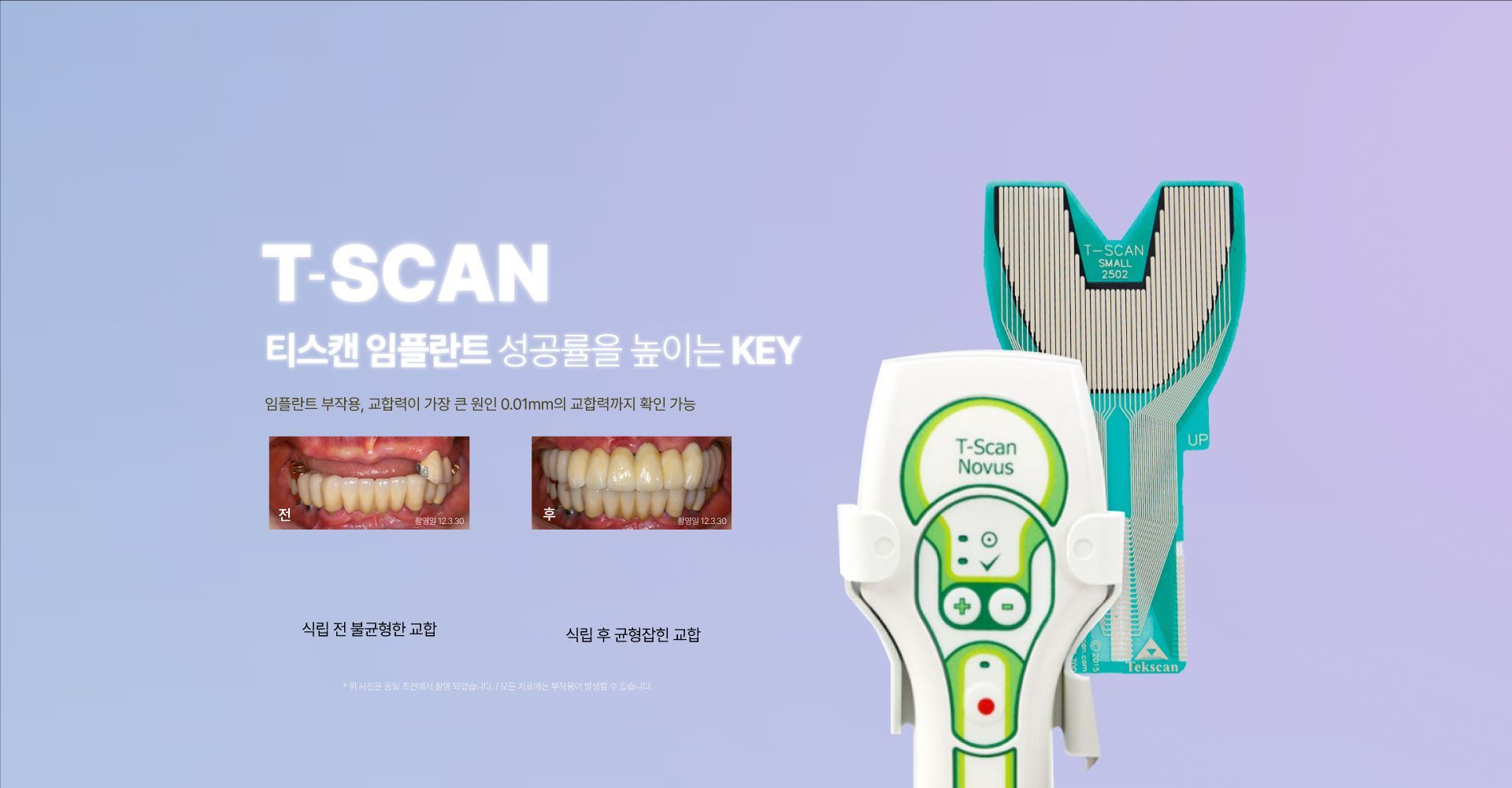
Clenching and grinding wear enamel and flex teeth at the gum line, which can expose dentin. If you wake with tight jaw muscles or see flat, shiny wear facets, the dentist will check your bite. The clinic uses T-Scan Novus digital occlusion analysis to see which teeth take excess force.
Managing the bite and wearing a custom guard at night can stop the sensitivity from returning. See teeth grinding treatment for how this is assessed.
| Fluoride / desensitiser | Composite bonding | Gum treatment | |
|---|---|---|---|
| Best for | Mild, widespread sensitivity | Notches or worn areas at gum line | Exposed roots from recession |
| Chair time | 15–20 min | 20–40 min per area | Varies by area |
| Anaesthesia | None | Sometimes | Local |
| How long it helps | Weeks to months; repeatable | Several years | Long term if causes are managed |
How it works at Oneday Dental
- Before visit
Describe your symptoms
Send photos and note which teeth hurt and with what (cold, sweet, brushing) on WhatsApp.
- Visit 1
Exam and testing
The dentist checks gums, enamel, fillings and bite, and takes X-rays where needed.
- Visit 1
Find the cause
Sensitivity is separated from decay, cracks or nerve inflammation, which need different treatment.
- Visit 1–2
Treat
Desensitiser, varnish, bonding, a new filling or gum care is applied according to the cause.
- 2–4 weeks
Review
You report how symptoms have changed; treatment is repeated or stepped up if needed.
Things to know before you decide
- Desensitising varnish often needs repeating, because its effect fades over weeks to months.
- Sensitivity that lingers for more than a few seconds or wakes you at night may be nerve inflammation, not simple sensitivity.
- Without changing the cause (hard brushing, acidic drinks, grinding), sensitivity usually returns.
- Bonding at the gum line can chip or stain over time and may need repair.
Experience you can check
- 2002Founded in Gangnam — 24 years
- 13Dentists in 5 departments
- 3Clinic buildings, 1,570 m²
- 0.01 mmT-Scan bite-force detail
Vice President, Korean Academy of Stomatognathic Function & Occlusion · author on T-Scan implant occlusion (IGI Global)
Sensitive Teeth: common questions
Why are my teeth suddenly sensitive?
Does sensitive toothpaste really work?
How much does sensitive teeth treatment cost in Seoul?
Is tooth sensitivity after whitening normal?
Can gum recession cause sensitive teeth?
When is sensitivity a sign of something serious?
You may also want to read
Teeth Grinding & TMJ
Teeth grinding treatment in Seoul: T-Scan bite analysis, TMJ assessment and custom night guards led by an occlusion…
Learn more →Gum Recession
Gum recession treatment in Seoul: find the cause, then desensitising, bonding or gum grafting by our periodontics…
Learn more →Composite Bonding
Composite bonding in Seoul for chips, small gaps and uneven edges, usually in one visit with little or no drilling.
Learn more →Dental Fillings
Dental fillings in Seoul: tooth-coloured composite, glass ionomer and ceramic inlays from our in-house lab…
Learn more →Root Canal Treatment
Root canal treatment in Seoul: save an infected tooth in 2–3 visits, then a crown from our in-house lab in Gangnam.
Learn more →Teeth Whitening
Professional teeth whitening in Seoul: in-office, take-home and combined options compared, with dentist shade…
Learn more →Browse: Dental Implants · Cosmetic Dentistry · Orthodontics · Gum Care · General Dentistry · International Patients · Home
Get a dentist's opinion on WhatsApp
Send your question, photos or X-ray. We reply with a plan, timeline and estimate in English, Chinese, Japanese or Korean.